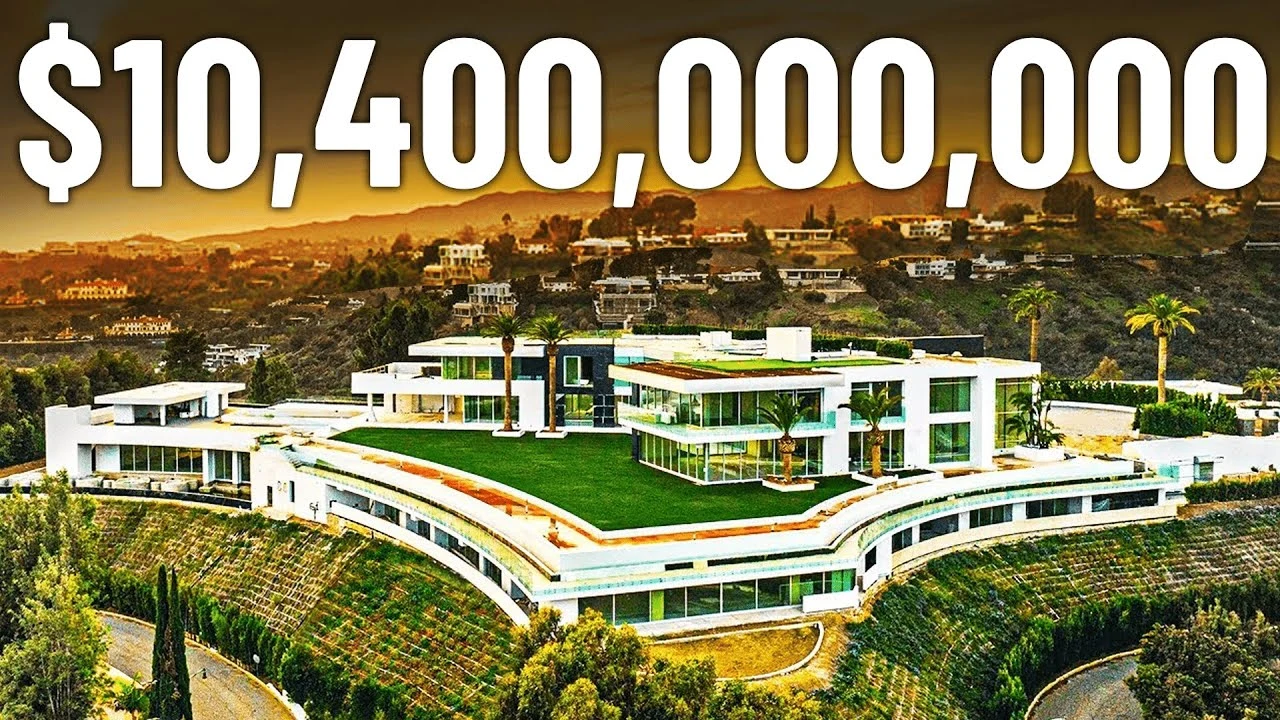
- Million dollar artwork reaches record prices through rarity, attribution, provenance, and auction competition.
- Top record: Leonardo da Vinci's Salvator Mundi sold for $450.3 million at Christie's in 2017.
- Cross-category treasures: Historic cars, watches, and jewels now rival fine art at the top of the market.
- Valuation drivers: Condition, documentation, and named ownership matter as much as the creator's reputation.
- Best practice: Always distinguish asking prices, estimates, and verified auction results.
The Million Dollar Artwork Record Holders
Fine art sits at the very top of the Million Dollar Things rankings. A million dollar artwork earns its price through a combination of historical importance, artist attribution, documented ownership, and intense competition among collectors at auction. The current benchmark is Salvator Mundi, a depiction of Christ as Savior of the World associated with Leonardo da Vinci, which realized $450.3 million at Christie's New York in 2017 — the highest publicly recorded auction price for an artwork.
The table below compares the landmark results that define the ultra-high-end collectibles market.
| Rank | Category | Item | Creator / Origin | Price | Sale Method |
|---|---|---|---|---|---|
| 1 | Artwork | Salvator Mundi | Leonardo da Vinci, circa 1500 | $450.3 million | Christie's public auction, 2017 |
| 2 | Automobile | 1955 Mercedes-Benz 300 SLR Uhlenhaut Coupé | Mercedes-Benz | €135 million | Private auction, 2022 |
| 3 | Residence | Château Louis XIV | Les Parcs de Villepreux, 2011 | ~$300 million (reported) | Private sale |
| 4 | Watch | Patek Philippe Grandmaster Chime Ref. 6300A | Patek Philippe, 2019 | CHF 31 million | Christie's Only Watch, 2019 |
| 5 | Jewelry | CTF Pink Star | 59.60-ct fancy vivid pink diamond | $71.2 million | Sotheby's Hong Kong, 2017 |
| 6 | Yacht | Eclipse | Blohm+Voss, 2010 | ~$1.5 billion (reported build value) | Private construction |
Reported valuations, asking prices, and auction realizations are not the same thing. A construction estimate like Eclipse's $1.5 billion figure is widely reported but was never a public sale, while Salvator Mundi's $450.3 million is a verified auction result. Always check the transaction method before comparing figures.
Why Fine Art Commands Extreme Prices
A million dollar artwork is priced through a distinctive set of factors that separate it from ordinary luxury goods. Understanding these drivers explains why two similar-looking paintings can differ in value by a factor of a hundred.
| Valuation Factor | What It Means | Why It Matters |
|---|---|---|
| Artist attribution | Confirmed creator and historical importance | Fewer than twenty surviving Leonardo paintings exist |
| Provenance | Documented ownership and exhibition history | Published records build buyer confidence |
| Condition | Medium, size, restoration quality | Panel and paint-layer integrity are central |
| Market context | Museum exhibitions and scholarly research | Institutional demand reshapes prices |
| Comparable sales | Recent results for similar works | Anchors auction estimates |
Historical Rarity
- Fewer surviving works by canonical masters
- One-of-a-kind commissions
- Irreplaceable cultural objects
Documented Provenance
- Published ownership chains
- Exhibition and research records
- Catalogue raisonné inclusion
Auction Competition
- Multiple determined bidders
- Global collector pool
- Landmark sales reset the market
For collectibles at this level, the story behind the object often drives value as much as the object itself. Marie Antoinette's pearl pendant reached $36.17 million at Sotheby's Geneva in 2018 largely because of its royal provenance through the Bourbon Parma family, not merely the natural pearl's material rarity.
Artwork Meets Jewelry: The Top Collectibles Compared
The line between fine art and collectibles has blurred. Exceptional gemstones and historic jewels now behave as a separate market from ordinary luxury jewelry, with results that rival Old Master paintings.
| Collectible | Category | Key Rarity | Auction Record |
|---|---|---|---|
| Salvator Mundi | Old Master painting | Few surviving Leonardo works | $450.3M, Christie's 2017 |
| CTF Pink Star | Fancy vivid pink diamond | 59.60 ct, internally flawless | $71.2M, Sotheby's 2017 |
| The Oppenheimer Blue | Fancy vivid blue diamond | 14.62 ct, named ownership | $57.5M, Christie's 2016 |
| Marie Antoinette's Pearl | Historic pearl jewel | Royal Bourbon Parma provenance | $36.17M, Sotheby's 2018 |
| Henry Graves Supercomplication | Unique gold pocket watch | 24 complications, single commission | $23.24M, Sotheby's 2014 |
Exceptional colored diamonds and historically important jewels trade in their own competitive arena. Color grade, clarity, carat weight, gemological certification, and named ownership — such as Sir Philip Oppenheimer's blue diamond — determine value far more than brand or setting.
How to Evaluate a Million-Dollar Artwork: Step-by-Step
Whether you are a first-time buyer or a seasoned collector, a disciplined evaluation process protects both your capital and the asset's long-term marketability.
Confirm Attribution
Verify the creator through recognized specialists, catalogues raisonnés, and technical examination. Attribution is the single largest value driver for fine art.
Trace the Provenance
Review the full ownership history, exhibition records, and published research. Documentation must match the physical artwork without gaps or alterations.
Assess Condition
Examine the support, paint layers, restoration history, and conservation reports. For panel paintings like Salvator Mundi, technical study is central to evaluation.
Obtain an Independent Valuation
Request a professional estimate before bidding. Compare auction estimates with recent realized prices for comparable works.
Plan Insurance and Storage
Arrange agreed-value specialist coverage and climate-controlled, secure storage immediately after purchase. Document condition with photographs and inspection reports.
Maintain every invoice, certificate, exhibition label, and conservation record from day one. A complete documentation trail can materially affect future buyer confidence and resale value.
Collector Preparation Checklist
Before entering the million-dollar artwork and collectibles market, work through these essential milestones.
Essential Collector Milestones:
- Define total ownership budget including premiums and insurance
- Study comparable auction results in your chosen category
- Engage a category specialist for authentication
- Secure independent valuation before any bid
- Arrange specialist insurance and professional storage
FAQ
Q: What is the most expensive million dollar artwork ever sold?
Leonardo da Vinci's Salvator Mundi holds the record at $450.3 million, sold at Christie's New York in 2017. It remains the highest publicly recorded auction price for an artwork.
Q: How is a million dollar artwork valued?
Valuation combines artist attribution, provenance, condition, rarity, exhibition history, and recent comparable sales. Auction competition among determined bidders ultimately sets the realized price.
Q: Do jewels and collectibles reach the same prices as fine art?
Yes. The CTF Pink Star diamond sold for $71.2 million and the Oppenheimer Blue for $57.5 million, placing top gemstones in the same financial league as major paintings.
Q: Why does provenance matter so much for million dollar artwork?
Documented ownership history builds market confidence and connects an object to historical figures. Marie Antoinette's pearl pendant reached $36.17 million largely because of its royal provenance.