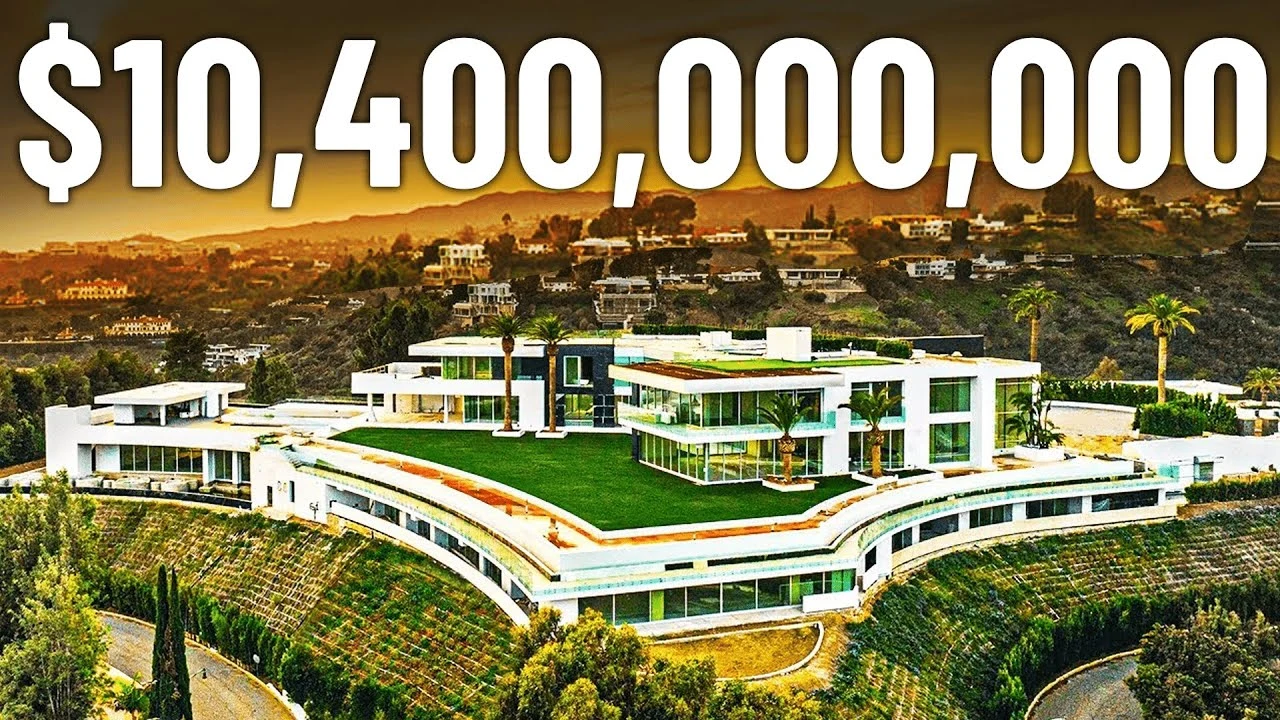
- Million Dollar Things high end items span cars, watches, art, jewelry, yachts, jets, and estates.
- Record holders include the $450.3M Salvator Mundi and the €135M Mercedes-Benz 300 SLR Uhlenhaut Coupé.
- Value drivers are rarity, provenance, condition, brand prestige, and auction competition.
- Distinguish carefully between estimates, asking prices, and realized auction prices.
- Ownership costs for yachts, jets, and estates often exceed the acquisition price over time.
Top Million Dollar Things High End Items Rankings
The highest tier of the luxury market brings together objects that reached extraordinary prices through historical importance, craftsmanship, scarcity, and intense collector competition. These are the landmark Million Dollar Things high end items that define each category.
Video Highlights:
- Million-dollar shoes, gold fixtures, and other extreme luxury objects
- How scarcity and spectacle drive headline prices
- Why the world's most expensive items attract global attention
| Rank | Category | Item | Price | Transaction |
|---|---|---|---|---|
| 1 | Artwork | Salvator Mundi (Leonardo da Vinci) | $450.3M | Christie's public auction, 2017 |
| 2 | Automobile | 1955 Mercedes-Benz 300 SLR Uhlenhaut Coupé | €135M | Private auction, 2022 |
| 3 | Residence | Château Louis XIV | ~$300M | Private sale, 2011 |
| 4 | Private Aircraft | Airbus ACJ350 | ~$326M base | Manufacturer sale |
| 5 | Watch | Patek Philippe Grandmaster Chime Ref. 6300A | CHF 31M | Only Watch auction, 2019 |
| 6 | Jewelry | CTF Pink Star (59.60ct) | $71.2M | Sotheby's Hong Kong, 2017 |
| 7 | Yacht | Eclipse (Blohm+Voss) | ~$1.5B reported build cost | Private construction, 2010 |
Always distinguish an asking price, an estimate, and a realized auction price. Reported construction values for yachts such as Eclipse are widely circulated estimates, not confirmed sale records.
High End Items by Category
Each luxury category reaches the million-dollar threshold through different mechanisms. Compare the leading categories and what makes their top examples valuable.
Classic Cars
- Range: $1M to $135M+
- Racing history and factory documentation
- Originality drives collector demand
- Benchmark: Ferrari 250 GTO, $48.4M in 2018
Luxury Watches
- Range: $1M to $30M+
- Complications and unique pieces lead
- Box, papers, and service history matter
- Benchmark: Henry Graves Supercomplication, $23.2M
Jewelry & Gems
- Range: $1M to $70M+
- Color, clarity, carat, and certification
- Named provenance adds value
- Benchmark: Oppenheimer Blue, $57.5M
Fine Art
- Range: $1M to $450M+
- Attribution and exhibition history
- Institutional demand moves markets
- Benchmark: Salvator Mundi
Yachts & Jets
- Range: $10M to $1B+
- Customization dominates final cost
- Extreme operating expenses
- Benchmark: Gulfstream G700, ~$78M list
Luxury Real Estate
- Range: $1M to $300M+
- Location, privacy, and land
- Taxes and carrying costs are significant
- Benchmark: 220 Central Park South, $238M
Record Watches Comparison
| Watch | Brand | Auction Record | Why It Matters |
|---|---|---|---|
| Grandmaster Chime Ref. 6300A | Patek Philippe | $31M (2019) | Unique steel piece, 20 complications |
| Henry Graves Supercomplication | Patek Philippe | $23.2M (2014) | One-off commission, 24 complications |
| Paul Newman Daytona Ref. 6239 | Rolex | $17.75M (2017) | Celebrity provenance, exotic dial |
| Ref. 1518 Steel | Patek Philippe | $11.1M (2016) | One of four known steel examples |
Exceptional colored diamonds and historic jewels behave as a separate market from ordinary fine jewelry, with demand driven by gemological rarity rather than brand alone.
Why High End Items Cost So Much
A million-dollar valuation rarely depends on one feature. Six factors combine to move an object from expensive to exceptionally valuable.
| Value Factor | Impact | Example |
|---|---|---|
| Rarity | ★★★★★ | Only two Uhlenhaut Coupés exist |
| Provenance | ★★★★★ | Paul Newman's personal Daytona |
| Condition | ★★★★ | Original dial and unrestored surfaces |
| Brand prestige | ★★★★ | Patek Philippe and Ferrari records |
| Documentation | ★★★★ | Factory records, GIA certification |
| Market demand | ★★★★★ | Auction competition among collectors |
Notable Collectibles and Their Value Logic
| Item | Sale Price | Primary Value Driver |
|---|---|---|
| Salvator Mundi | $450.3M | Attribution to Leonardo da Vinci |
| CTF Pink Star | $71.2M | 59.60ct internally flawless vivid pink |
| The Oppenheimer Blue | $57.5M | Rare vivid blue, named ownership |
| Marie Antoinette's Pearl | $36.17M | Royal provenance via Bourbon Parma family |
Every item profile should answer one question: "Why is it expensive?" Scarcity plus story plus documentation equals lasting value.
How to Buy a High End Item: Step-by-Step
Follow a disciplined process from budget to resale to control risk and preserve long-term value.
Define the Total Ownership Budget
Set a purchase ceiling plus reserves for taxes, buyer premiums, insurance, storage, crew, and maintenance. Separate acquisition cost from annual operating cost.
Choose Category and Market Position
Decide whether the goal is enjoyment, collecting, prestige, or resale. Compare liquidity and historical demand across categories before committing.
Verify Authenticity and Provenance
Use recognized specialists, manufacturer records, gemological reports, and ownership history. Confirm documents match the physical asset.
Obtain an Independent Valuation
Request professional estimates covering condition, comparable sales, and replacement cost before bidding or signing.
Insure, Store, and Document
Arrange specialist insurance immediately, photograph condition, and maintain every invoice, certificate, and service record from day one.
Before Any Million-Dollar Purchase:
- Confirm authenticity with independent specialists
- Review provenance documents against the physical item
- Compare auction estimates with recent realized prices
- Budget for insurance, storage, and maintenance
- Preserve complete documentation for future resale
A complete service trail and careful handling materially affect future buyer confidence and resale value for high end items.
Collector Tier List
Price alone does not determine collectible strength. This tier list balances financial scale with rarity, prestige, and ownership demands.
| Tier | Label | Examples | Collector Value |
|---|---|---|---|
| S | Historic Masterpieces | Unique artworks, landmark racers, exceptional diamonds | Very high |
| A | Iconic Limited Editions | Rare Patek complications, limited Ferraris, historic jewels | High |
| B | Trophy Real Estate | Historic châteaux, prime penthouses | High |
| C | Custom Luxury Assets | Superyachts, wide-body jets | Variable |
| D | High-Value Entry Collectibles | Modern limited watches, fine jewelry without scarcity | Moderate to high |
Tiers B and C carry extreme ongoing costs. A superyacht's annual crew, fuel, refit, and dockage expenses can rival the purchase price of a Tier D collectible.
FAQ
Q: What are the most expensive Million Dollar Things high end items ever recorded?
The leading records include Leonardo da Vinci's Salvator Mundi at $450.3 million, the 1955 Mercedes-Benz 300 SLR Uhlenhaut Coupé at €135 million, and the Patek Philippe Grandmaster Chime Ref. 6300A at CHF 31 million.
Q: Why do some watches sell for over $30 million?
Record watches combine extreme complication counts, unique or near-unique production, famous provenance, and auction competition. The Grandmaster Chime's twenty complications and one-off steel construction drove its $31 million result.
Q: Are reported yacht values like Eclipse's $1.5 billion confirmed sale prices?
No. Figures such as Eclipse's approximately $1.5 billion value are widely reported construction estimates from private builds, not public auction records. Always treat them as reported rather than confirmed transactions.
Q: What matters most when buying a million-dollar collectible?
Rarity, documented provenance, condition, and market comparables. Independent authentication, professional valuation, and complete documentation protect both the purchase price and future resale value.