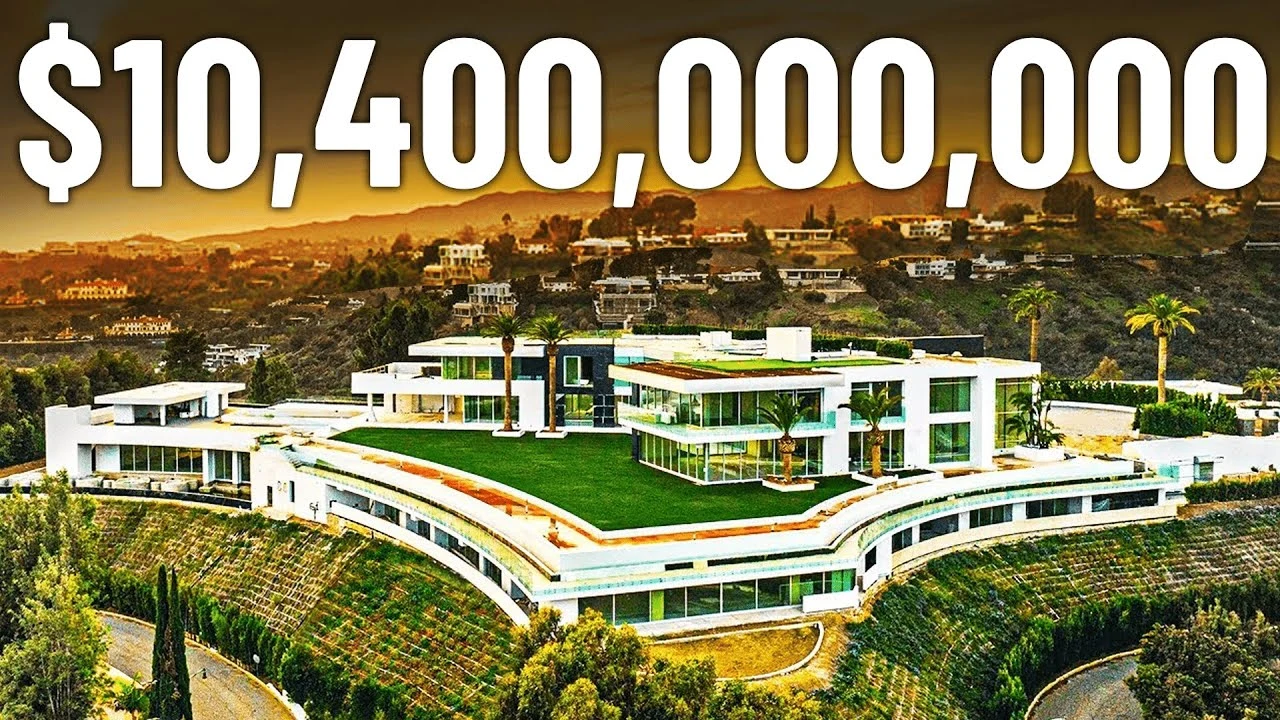
- A million dollar work of art reaches record value through rarity, attribution, provenance, and auction competition.
- Salvator Mundi holds the top public auction record at $450.3 million (Christie's, 2017).
- Provenance and condition drive art valuations more than size or subject matter.
- Auction results at Sotheby's, Christie's, and Phillips set the benchmarks collectors follow.
- Verified documentation separates a trophy asset from an expensive decoration.
What Makes a Million Dollar Work of Art
A million dollar work of art rarely earns its price from a single feature. Auction results, condition, provenance, rarity, artist attribution, originality, and buyer demand combine to determine the final market price. The art market can shift significantly according to museum exhibitions, scholarly research, major estates, and the supply of works by highly sought-after artists.
At the highest level, the market distinguishes between three price concepts:
| Term | Meaning | Example |
|---|---|---|
| Estimate | Auction house pre-sale price range | Published in catalogue before bidding |
| Hammer price | Winning bid before fees | Announced at the rostrum |
| Realized price | Final price with buyer's premium | The record-setting figure |
Attribution
- Artist identity drives baseline value
- Catalogue raisonne inclusion
- Scholarly consensus on authorship
Provenance
- Documented ownership history
- Exhibition and publication records
- Clean title and legal clarity
Condition
- Original materials and panel state
- Restoration history disclosed
- Technical examination reports
Always distinguish a listed estimate from a realized auction price. Marketing figures and reported values should be treated as estimates unless confirmed by a published auction result.
Record-Setting Art Sales Rankings
These landmark results define the top of the public art market. Each entry reflects a documented transaction rather than a private claim.
| Rank | Work | Creator | Price | Sale |
|---|---|---|---|---|
| 1 | Salvator Mundi | Leonardo da Vinci (attrib.) | $450.3 million | Christie's New York, 2017 |
| 2 | Château Louis XIV (context asset) | Les Parcs de Villepreux | ~$300 million | Private sale, 2011 |
| 3 | CTF Pink Star | Natural fancy vivid pink diamond | $71.2 million | Sotheby's Hong Kong, 2017 |
| 4 | The Oppenheimer Blue | Fancy vivid blue diamond | $57.5 million | Christie's Geneva, 2016 |
| 5 | Marie Antoinette's Pearl | Historic pearl and diamond jewel | $36.17 million | Sotheby's Geneva, 2018 |
Its combination of historical attribution to Leonardo da Vinci, extreme rarity within his limited surviving body of work, extensive restoration and technical study, and major auction exposure places it among the most valuable artworks ever sold publicly.
Valuation Factors Compared Across Categories
Art competes for collector capital with watches, cars, and jewelry. Comparing valuation drivers clarifies why fine art reaches the highest ceilings.
| Category | Price Range | Key Valuation Drivers | Market Behavior |
|---|---|---|---|
| Fine Art | $1M to $450M+ | Attribution, provenance, condition | Sensitive to scholarship and museum demand |
| Watches | $1M to $30M+ | Complications, rarity, brand | Shifts with collector preferences |
| Classic Cars | $1M to $135M+ | Racing history, originality | Driven by comparable sales |
| Jewelry | $1M to $70M+ | Color, clarity, certification | Exceptional stones form a separate market |
| Real Estate | $1M to $300M+ | Location, architecture | Tied to wealth migration and rates |
Establish Attribution
Confirm the artist through recognized specialists, catalogues raisonnés, and technical examination before any valuation.
Trace Provenance
Reconstruct the ownership chain, exhibition history, and publication record. Gaps must be documented and explained.
Assess Condition
Review panel or canvas state, restoration history, and paint-layer integrity with conservator reports.
Compare Realized Prices
Match the work against recent auction results for comparable pieces, not asking prices or estimates.
Never treat a marketing price as a final transaction. Reported private-sale figures should be labeled "Reported" or "Estimated" until independently confirmed.
How to Buy and Protect Fine Art Assets
High-value art purchases require a disciplined process covering authentication, valuation, purchase channels, insurance, and resale planning.
Art Acquisition Checklist:
- Define total budget including premiums, taxes, and conservation
- Verify attribution through independent specialists
- Obtain a written professional valuation before bidding
- Confirm provenance documents match the physical work
- Arrange agreed-value insurance and climate-controlled storage
- Maintain complete service and exhibition records for resale
| Step | Action | Risk If Skipped |
|---|---|---|
| Budget | Include buyer's premium and conservation reserve | Capital shortfall after purchase |
| Authentication | Independent expert review | Misattributed or forged work |
| Valuation | Compare realized auction prices | Overpaying against estimates |
| Channel | Review conditions of sale carefully | Hidden fees and weak buyer protections |
| Protection | Specialist insurance and secure storage | Uninsured loss or condition damage |
A complete documentation trail and careful handling materially affect future buyer confidence. Preserve invoices, certificates, and condition reports from day one.
FAQ
Q: What is the most expensive million dollar work of art ever sold publicly?
Salvator Mundi, associated with Leonardo da Vinci, holds the record at $450.3 million, sold at Christie's New York in 2017. It remains the highest publicly recorded auction price for an artwork.
Q: Why does provenance matter so much in art valuation?
Documented ownership history confirms legal title, supports attribution, and connects the work to historical or celebrity significance. Complete provenance can separate a record-setting object from an otherwise similar piece.
Q: How do auction estimates differ from realized prices?
Estimates are pre-sale ranges published by the auction house, while realized prices are final figures including the buyer's premium. Rankings should always use realized prices.
Q: Is fine art a better collector category than watches or cars?
Fine art reaches the highest price ceilings, but each category differs in liquidity and maintenance. A tier list balancing price, rarity, prestige, and ownership demands helps compare them fairly.