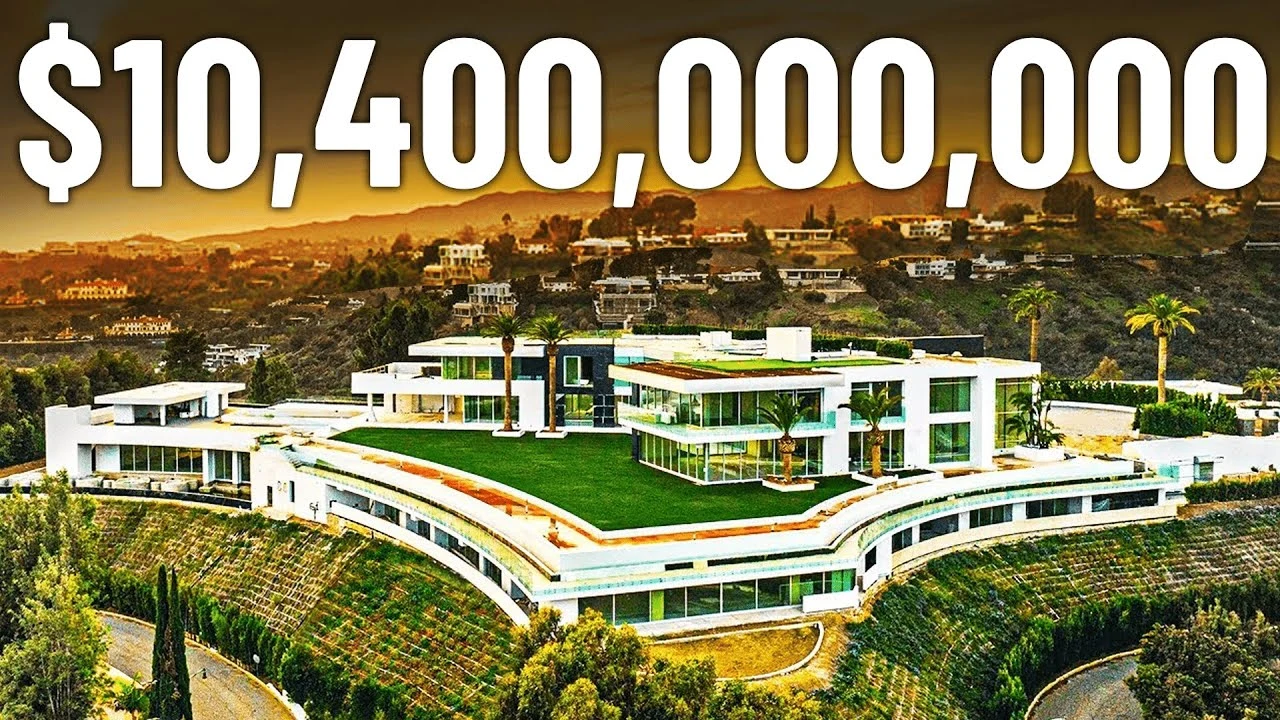
- Million dollar collectibles reach record prices through rarity, provenance, condition, and collector competition.
- Top record: Leonardo da Vinci's Salvator Mundi sold for $450.3 million at Christie's in 2017.
- Gem market: The CTF Pink Star diamond set a $71.2 million benchmark at Sotheby's.
- Key rule: Always distinguish asking prices, estimates, and confirmed auction results.
- Best practice: Verify authenticity, certification, and provenance before any high-value purchase.
What Makes a Collectible Worth a Million Dollars?
Million dollar collectibles are never priced on a single attribute. Auction specialists evaluate a combination of factors that separate an extraordinary object from an ordinary luxury item. Understanding these drivers is the first step to reading the high-end market correctly.
Video Highlights:
- No verified video sources tied to the Million Dollar Things brand were available for this article, so the rankings below rely on documented auction records and published market data.
The core valuation pillars are:
- Rarity: Low production counts, unique commissions, or natural scarcity (as with large colored diamonds)
- Provenance: A documented ownership chain, ideally including famous or royal names
- Condition: Original components, unrestored surfaces, and complete documentation
- Cultural significance: Historical importance, artistic attribution, or celebrity connection
- Market competition: Two determined bidders can move a price more than any catalogue estimate
Always check whether a quoted figure is an asking price, an auction estimate, or a realized price. Only realized (hammer) prices confirm market value. Marketing figures without a transaction should be treated as reported estimates only.
| Valuation Factor | Impact Level | Example |
|---|---|---|
| Rarity | ★★★★★ | Only two 300 SLR Uhlenhaut Coupés exist |
| Provenance | ★★★★★ | Marie Antoinette's pearl, Bourbon Parma collection |
| Condition | ★★★★ | Original chassis and matching numbers on classic cars |
| Attribution | ★★★★★ | Leonardo da Vinci attribution on Salvator Mundi |
| Certification | ★★★★ | GIA reports for colored diamonds |
| Cultural fame | ★★★ | Paul Newman's personal Rolex Daytona |
Record-Setting Million Dollar Collectibles
The following objects represent the ceiling of the collectibles market, each verified through major auction houses or widely reported private transactions.
| Rank | Collectible | Category | Record Price | Sale |
|---|---|---|---|---|
| 1 | Salvator Mundi (Leonardo da Vinci) | Old Master painting | $450.3M | Christie's New York, 2017 |
| 2 | CTF Pink Star | 59.60ct pink diamond | $71.2M | Sotheby's Hong Kong, 2017 |
| 3 | The Oppenheimer Blue | 14.62ct blue diamond | $57.5M | Christie's Geneva, 2016 |
| 4 | 1962 Ferrari 250 GTO | Historic race car | $48.4M | RM Sotheby's Monterey, 2018 |
| 5 | Marie Antoinette's Pearl | Historic royal jewel | $36.17M | Sotheby's Geneva, 2018 |
| 6 | Patek Philippe Grandmaster Chime Ref. 6300A | Unique wristwatch | $31M | Only Watch, 2019 |
Salvator Mundi
- $450.3M at Christie's, 2017
- One of few surviving Leonardo-attributed paintings
- Extensive restoration and attribution research
- Highest publicly recorded artwork price
CTF Pink Star
- $71.2M at Sotheby's Hong Kong, 2017
- 59.60-carat internally flawless fancy vivid pink
- Gemological certification supports value
- Exceptional size and color saturation
The Oppenheimer Blue
- $57.5M at Christie's Geneva, 2016
- 14.62-carat fancy vivid blue diamond
- Named ownership by Sir Philip Oppenheimer
- Among the rarest diamond categories
Marie Antoinette's Pearl
- $36.17M at Sotheby's Geneva, 2018
- Royal provenance through the Bourbon Parma family
- Natural pearl with diamond setting
- Value driven by history, not just material
Large natural colored diamonds with vivid grades trade in a market almost separate from ordinary fine jewelry. Exceptional pinks and blues attract competitive bidding because so few comparable stones ever appear at auction.
Million Dollar Collectibles by Category
Different categories behave differently as investments and collectibles. This comparison blends price ceilings with liquidity, maintenance demands, and collector depth.
| Category | Typical Range | Liquidity | Maintenance | Key Value Driver |
|---|---|---|---|---|
| Fine art | $1M to $450M+ | Low to moderate | Climate control, conservation | Attribution and provenance |
| Colored diamonds | $1M to $70M+ | Moderate | Low, secure storage | Color, clarity, carat |
| Historic cars | $1M to $135M | Moderate | High, running costs | Racing history, originality |
| Vintage watches | $1M to $31M+ | High | Moderate, servicing | Rarity, complications |
| Royal jewelry | $1M to $36M+ | Moderate | Low | Documented provenance |
| Memorabilia | $1M to $10M+ | Variable | Moderate | Celebrity connection |
A record price does not guarantee resale value. Unique masterpieces can take months or years to resell, and the buyer pool at eight figures is extremely small. Never treat collectibles as a liquid asset class.
The tier structure below summarizes how specialists rank collectible strength:
- S Tier: Unique works by universally recognized creators, landmark competition cars, exceptional colored diamonds
- A Tier: Rare high-complication watches, limited-production Ferraris, important historic jewelry
- B Tier: Established contemporary art, trophy memorabilia with strong documentation
- C Tier: Limited modern editions and replaceable collectibles with strong brand prestige
How to Buy a Million Dollar Collectible: Step by Step
High-value acquisitions demand a disciplined process. Follow these steps to control risk and protect long-term value.
Define the Total Budget
Set a purchase ceiling and reserve funds for buyer premiums, taxes, insurance, transport, storage, and conservation. Separate acquisition cost from annual holding cost.
Choose the Category and Objective
Decide whether the goal is enjoyment, long-term collecting, or resale. Each objective favors different categories and levels of rarity.
Verify Authenticity and Provenance
Use recognized specialists, gemological reports, manufacturer records, and catalogues raisonnés. Confirm that documents match the physical object.
Obtain an Independent Valuation
Request professional estimates before bidding. Compare auction estimates with recent realized prices, not asking prices.
Select the Purchase Channel
Choose between major auction houses, specialist dealers, private sales, or brokers. Read conditions of sale and confirm premiums and deadlines.
Arrange Insurance and Storage
Secure agreed-value specialist coverage immediately. Document condition with photographs and inspection reports, and control climate and access.
A complete service trail, original certificates, and title documents materially affect future buyer confidence. Preserve every record from the first day of ownership.
Pre-Purchase Due Diligence Checklist
Before You Commit:
- Confirm authenticity with an independent specialist
- Review complete provenance and ownership history
- Check gemological or condition certification
- Compare recent realized auction prices, not estimates
- Secure agreed-value insurance before payment
- Plan professional storage and maintenance
Auction buyer premiums can add a substantial percentage on top of the hammer price, plus taxes and shipping. Factor these into your ceiling before bidding begins.
FAQ
Q: What is the most expensive collectible ever sold?
Leonardo da Vinci's Salvator Mundi holds the record for a collectible sold at public auction, realizing $450.3 million at Christie's New York in 2017. In the automotive world, the 1955 Mercedes-Benz 300 SLR Uhlenhaut Coupé sold for approximately €135 million in 2022.
Q: Are million dollar collectibles a good investment?
They can appreciate, but they are illiquid and cyclical. Values depend on collector demand, condition, and provenance. The top of the market can move sharply, and resale at eight figures requires a very small pool of qualified buyers, so diversification and patience are essential.
Q: Why do colored diamonds sell for so much?
Natural fancy vivid colored diamonds of large size are extraordinarily rare. The CTF Pink Star (59.60 carats, internally flawless) and the Oppenheimer Blue (14.62 carats) achieved $71.2 million and $57.5 million respectively because comparable stones almost never reach the market.
Q: How do I verify a million dollar collectible before buying?
Use independent specialists, gemological reports such as GIA certification, manufacturer archives, and documented provenance. Compare auction estimates against recent realized prices, and arrange agreed-value insurance and professional storage before completing the purchase.