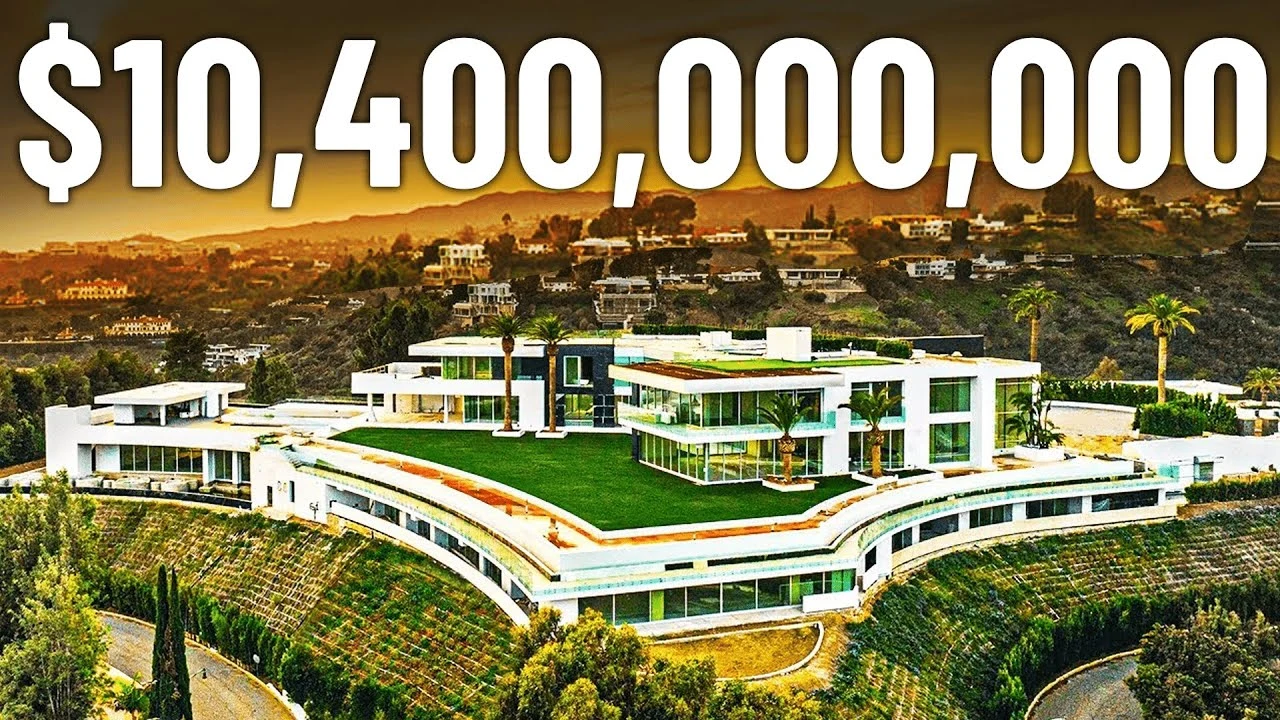
- How millionaires invest one million dollars: trophy cars, watches, art, gems, and real estate dominate allocations.
- Rarity drives value: documented provenance, production counts, and condition matter more than brand prestige alone.
- Auction records are the benchmark: a Patek Philippe hit $31 million and a da Vinci painting $450.3 million.
- Operating costs count: yachts, jets, and estates carry extreme annual maintenance that shapes net returns.
- Diversification is standard: most ultra-wealthy buyers spread capital across several collectible categories.
How Millionaires Allocate One Million Dollars
When a millionaire decides to deploy one million dollars into tangible assets, the money rarely goes to a single object. Experienced collectors split capital across categories with different liquidity, appreciation profiles, and ownership burdens. A common approach pairs one anchor piece, such as a six-figure watch or classic car, with several smaller positions in art, jewelry, and modern limited editions.
The core asset classes tracked at Million Dollar Things break down as follows:
| Asset Class | Typical Entry Point | Record Price Example | Liquidity |
|---|---|---|---|
| Classic cars | $150K–$1M | $48.4M Ferrari 250 GTO (2018) | Moderate |
| Luxury watches | $50K–$1M | $31M Patek Philippe Grandmaster Chime | High |
| Fine art | $100K–$1M | $450.3M Salvator Mundi (2017) | Low to moderate |
| Jewelry and gems | $100K–$1M | $71.2M CTF Pink Star (2017) | High |
| Trophy real estate | $1M+ entry | $238M 220 Central Park South penthouse | Low |
| Yachts and jets | $10M+ entry | ~$1.5B reported for Eclipse | Very low |
At exactly one million dollars, watches and jewelry offer the best liquidity and storage efficiency, while cars offer the strongest documented auction history. Real estate and yachts generally require multiples of that budget to reach trophy status.
Where a Million Dollars Works Hardest
Each category rewards a different kind of investor. Compare the four most practical one-million-dollar positions:
Rare Watches
- Strongest liquidity of all trophy assets
- Record pieces: Paul Newman Rolex Daytona at $17.75M
- Stainless-steel rarities outperform gold equivalents
- Compact storage, established auction houses
Classic Cars
- Deepest documented market with race provenance
- McLaren F1 sold for $20.465M in 2019
- Originality and factory records drive value
- Higher transport and maintenance costs
Colored Diamonds
- Exceptional rarity at vivid grades
- Oppenheimer Blue reached $57.5M
- GIA certification is essential
- Portable, globally tradable
Fine Art
- Highest ceiling of any category
- Provenance research is critical
- Long holding periods expected
- Institutional demand drives records
Historical context shows how far top pieces have climbed. The table below lists benchmark results that shape collector expectations today:
| Year | Item | Category | Price |
|---|---|---|---|
| 2014 | Henry Graves Supercomplication | Watch | $23.24M |
| 2016 | Patek Philippe Ref. 1518 steel | Watch | $11.14M |
| 2016 | Oppenheimer Blue | Diamond | $57.5M |
| 2017 | Salvator Mundi | Art | $450.3M |
| 2017 | CTF Pink Star | Diamond | $71.2M |
| 2018 | Marie Antoinette's Pearl | Jewelry | $36.17M |
| 2022 | 300 SLR Uhlenhaut Coupé | Car | €135M |
Most one-million-dollar purchases sit far below record territory. A $900K modern supercar rarely appreciates like a documented 1960s racing Ferrari. Buy the best-documented example you can afford rather than the newest.
Step-by-Step: Deploying One Million Dollars
Follow this disciplined path from budget to resale, adapted from the buying frameworks used by major houses such as Sotheby's and Christie's.
Set the Total Ownership Budget
Reserve 15–25% of the million above the purchase price for buyer premiums, taxes, insurance, transport, and first-year maintenance. A $800K purchase with full cost coverage is safer than a fully deployed million.
Choose Categories by Goal
Match the asset to your objective: watches for liquidity, cars for documented appreciation, gems for portability, art for long-term ceiling. Split capital across at least two categories.
Verify Authenticity and Provenance
Demand serial numbers, manufacturer records, GIA reports for gems, and unbroken ownership history. Provenance can swing value by multiples, as the Paul Newman Daytona proved.
Obtain an Independent Valuation
Commission a specialist estimate before bidding. Compare auction estimates against recent realized prices rather than list prices or marketing claims.
Buy, Insure, and Document
Purchase through a major auction house or specialist dealer, arrange agreed-value insurance immediately, and begin a complete photographic and service record from day one.
A complete file of certificates, invoices, and service records is the single cheapest way to protect resale value. Future buyers pay for confidence.
Hidden Costs That Shape Real Returns
| Cost Category | Watches & Jewelry | Classic Cars | Real Estate | Yachts & Jets |
|---|---|---|---|---|
| Annual insurance | Low | Moderate | High | Very high |
| Storage | Safe deposit | Climate garage | Property itself | Marina / hangar |
| Maintenance | Servicing only | Mechanical upkeep | Staffing, taxes | Crew, fuel, refits |
| Transaction fees | ~10–25% premium | ~10–12% premium | Agent and legal | Broker and legal |
| Transport risk | Minimal | Moderate | None | Regulatory |
Superyacht ownership illustrates the extreme end: Eclipse's reported $1.5 billion construction value carries annual crew, fuel, classification, and refit costs that can exceed the entire budget of a one-million-dollar collector. A Gulfstream G700 lists near $78 million before customization, with pilot, maintenance, and engine-reserve costs continuing for its life.
For cars, yachts, and estates, assume annual operating costs of roughly 10% of asset value. For watches and gems, the figure drops below 1%, which is why they dominate small-ticket allocations.
Collector Readiness Checklist
Before You Deploy Capital:
- Define acquisition budget separately from annual operating budget
- Select at least two asset categories for diversification
- Confirm authenticity through certified specialists and records
- Obtain an independent valuation before bidding
- Arrange agreed-value insurance and secure storage
- Start a complete provenance and service file from purchase day
FAQ
Q: How do millionaires invest one million dollars across luxury assets?
Most split the sum across categories: a single anchor piece such as a rare watch or documented classic car, plus smaller positions in jewelry, art, or limited editions. Diversification reduces exposure to any one collector market.
Q: Which luxury asset class is easiest to resell?
Rare watches and certified colored diamonds offer the highest liquidity thanks to established auction houses, standardized grading, and global demand. Fine art and trophy real estate typically require longer holding periods.
Q: Can one million dollars buy a meaningful classic car?
Yes. While record cars like the Ferrari 250 GTO and Uhlenhaut Coupé sell for tens of millions, strong documented examples from desirable marques regularly trade in the high-six-figure range with solid collector followings.
Q: What is the biggest mistake first-time luxury investors make?
Ignoring total ownership costs and documentation. Insurance, storage, maintenance, and buyer premiums can consume a quarter of the budget, and missing provenance records can permanently reduce resale value.