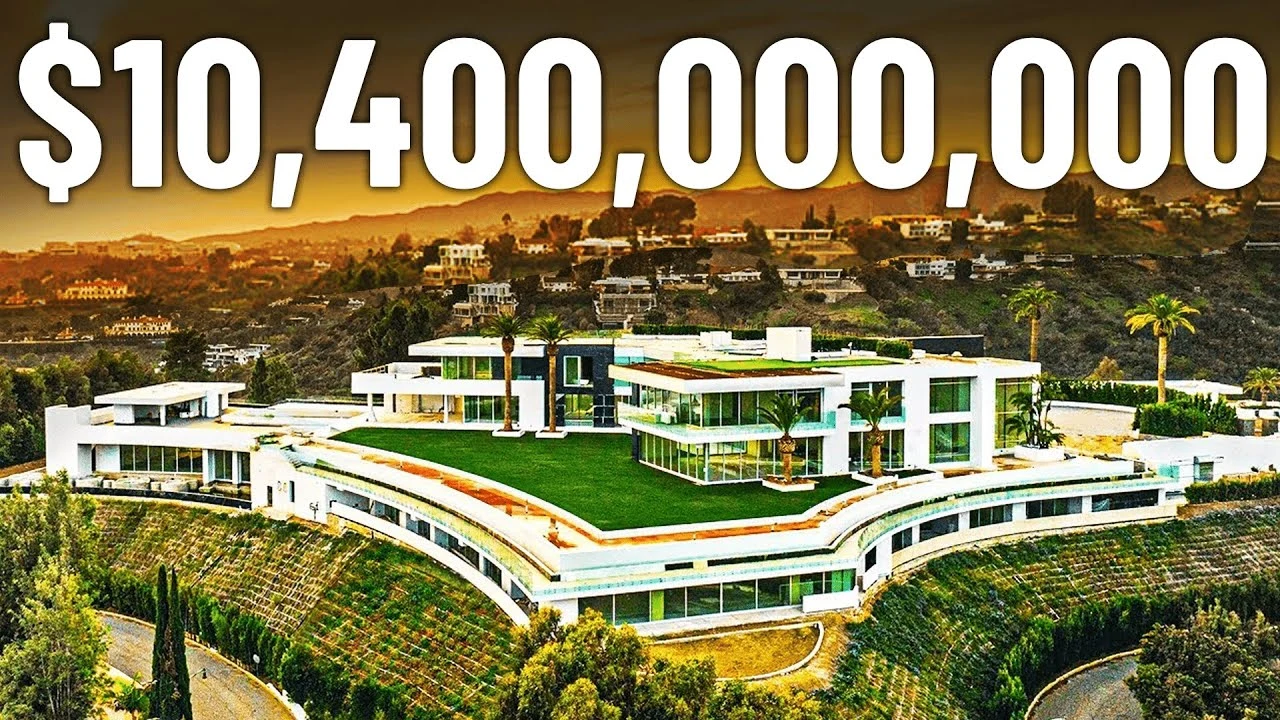
- Million dollar product ideas come from rarity, provenance, craftsmanship, and collector demand.
- Record examples: a €135M Mercedes, a $450M da Vinci, and a $71M pink diamond show what sells.
- Six core categories drive the market: cars, watches, jewelry, art, real estate, and custom assets.
- Valuation basics: auction results, condition, certification, and named ownership set final prices.
- Entry path: start with documented, limited-edition assets before pursuing unique masterpieces.
Million Dollar Product Ideas: Where Value Comes From
The most successful million dollar product ideas in the luxury world share four engines: scarcity, craftsmanship, provenance, and collector competition. A Patek Philippe Grandmaster Chime is not expensive because of steel and gears alone; it is expensive because only one example exists, it carries twenty complications, and it sold for CHF 31 million at Only Watch in 2019.
This section maps the record-setting benchmarks across categories, showing how each "product idea" reached its valuation.
Video Highlights:
- Overview of the world's most expensive residences, yachts, diamonds, jets, watches, and cars
- How scarcity and branding push prices past the $1 million threshold
- Why customization multiplies the final value of private assets
| Rank | Category | Item | Price | Why It Commands Value |
|---|---|---|---|---|
| 1 | Artwork | Salvator Mundi (Leonardo da Vinci, c. 1500) | $450.3M | Rare surviving Leonardo attribution, Christie's 2017 auction |
| 2 | Yacht | Eclipse (Blohm+Voss, 2010) | ~$1.5B reported | 162.5m custom build with submarine and heli facilities |
| 3 | Aircraft | Airbus ACJ350 | ~$326M base | Wide-body private conversion, value rises with bespoke interiors |
| 4 | Automobile | 1955 Mercedes-Benz 300 SLR Uhlenhaut Coupé | €135M | One of only two examples, sold privately in 2022 |
| 5 | Estate | Château Louis XIV (2011) | ~$300M | Purpose-built royal-style château, private sale |
| 6 | Watch | Patek Philippe Grandmaster Chime Ref. 6300A | CHF 31M | Unique steel piece, 20 complications, Only Watch 2019 |
| 7 | Jewelry | CTF Pink Star (59.60ct) | $71.2M | Internally flawless fancy vivid pink, Sotheby's 2017 |
The pattern behind every million dollar product idea is the same: take an exceptional base object, make it irreplaceable, then let documented auction competition establish its public price record.
Category Comparison: Which Million Dollar Ideas Hold Value
Not all categories behave alike. Classic cars and rare watches have deep, liquid collector markets; yachts and jets are consumption assets with extreme running costs; gems and art behave as stores of value.
Classic Cars & Watches
- Price range: $1M–$135M+
- Strong auction liquidity
- Documented racing or complication history drives price
- Examples: Ferrari 250 GTO, Patek Philippe Ref. 1518 steel
Art & Gemstones
- Price range: $1M–$450M+
- Attribution and certification are decisive
- Exceptional colored diamonds form their own market
- Examples: Salvator Mundi, CTF Pink Star, Oppenheimer Blue
Custom Assets (Yachts, Jets, Estates)
- Price range: $10M–$1.5B+
- Value depends on customization degree
- Extreme maintenance and crew costs
- Examples: Eclipse, Azzam, Gulfstream G700, Antilia
| Category | Top Recorded Price | Liquidity | Maintenance Burden | Collectibility |
|---|---|---|---|---|
| Classic cars | $48.4M–€135M | High | Moderate | ★★★★★ |
| Watches | $17.8M–$31M | High | Low to moderate | ★★★★★ |
| Fine art | $450.3M | Moderate | Low (conservation) | ★★★★★ |
| Gemstones | $71.2M | Moderate | Very low | ★★★★★ |
| Trophy real estate | ~$300M | Low | Very high | ★★★☆☆ |
| Yachts & jets | $600M–$1.5B | Low | Extreme | ★★☆☆☆ |
Always distinguish asking prices, estimated values, and actual auction results. Reported figures for private assets such as yachts and estates are frequently labeled "reported" or "estimated" for good reason.
Step-by-Step: From Idea to Million-Dollar Asset Purchase
Define the Total Ownership Budget
Set a purchase ceiling, then reserve additional funds for taxes, buyer premiums, transport, storage, crew, insurance, and a contingency reserve. Separate acquisition cost from annual operating cost.
Choose Category and Market Position
Decide whether the goal is enjoyment, collecting, prestige, or resale. Prioritize objects with clear documentation, established collector markets, and strong comparable sales.
Verify Authenticity and Provenance
Use recognized specialists, manufacturer records, gemological reports such as GIA certification, catalogues raisonnés, and complete ownership history. Confirm documents match the physical asset.
Obtain an Independent Valuation
Request a professional estimate before bidding. Compare auction estimates with recent realized prices, and ask for separate market, insurance, and replacement valuations when appropriate.
Select the Purchase Channel
Choose between major auction houses such as Sotheby's and Christie's, specialist dealers, private transactions, or manufacturers. Review buyer premiums, commissions, and payment terms.
Insure, Store, and Plan Resale
Arrange agreed-value specialist insurance immediately, document condition with photographs, and maintain a complete service trail from day one.
A complete documentation trail — certificates, invoices, service records, and title documents — is one of the most cost-effective ways to preserve future buyer confidence and resale value.
Starter Ideas Within Reach of New Collectors
While the headlines involve nine-figure sales, most million dollar product ideas begin in approachable niches. The same valuation principles apply at lower price points.
| Starter Idea | Typical Entry Point | Value Drivers | Long-Term Potential |
|---|---|---|---|
| Modern limited-edition watches | High five to six figures | Reference rarity, box and papers | ★★★★☆ |
| Classic cars without racing history | Six to seven figures | Originality, documented ownership | ★★★★☆ |
| Fine jewelry by established houses | Six figures upward | Certification, designer provenance | ★★★☆☆ |
| Celebrity memorabilia | Five to six figures | Documented celebrity ownership | ★★★☆☆ |
| Named-artist works by less scarce creators | Six to seven figures | Attribution, exhibition history | ★★★★☆ |
Tier logic from the luxury market applies at every level: unique masterpieces sit at the top, iconic limited editions follow, and replaceable high-value items trade more like commodities. Buy the highest tier your budget and expertise allow.
Collector Preparation Checklist
Before Any High-Value Purchase:
- Separate acquisition budget from annual operating costs
- Verify authenticity through specialists and certification
- Review complete provenance and ownership history
- Obtain an independent valuation before committing
- Arrange agreed-value insurance and secure storage
- Establish a documentation and service record system
FAQ
Q: What makes million dollar product ideas actually reach seven-figure valuations?
Four factors combine: extreme scarcity (one-of-two cars, unique watches), documented provenance (named ownership, royal history), exceptional craftsmanship or materials (internally flawless pink diamonds, twenty-complication movements), and competitive auction demand that produces public price records.
Q: Are yachts and private jets good million-dollar investments?
Generally they are consumption assets rather than investments. The Eclipse reportedly cost around $1.5 billion to build, but annual crew, fuel, maintenance, and refit costs are extreme, and resale liquidity is low. Cars, watches, and gemstones typically have deeper collector markets.
Q: What is the highest price ever paid for a wristwatch?
The Patek Philippe Grandmaster Chime Ref. 6300A-010, a unique stainless-steel piece with twenty complications created for the Only Watch charity auction, sold for CHF 31 million in 2019 — the highest recorded wristwatch price at the time of sale.
Q: How do I start collecting with a smaller budget?
Apply the same principles at a lower tier: choose limited-edition or vintage watches with original papers, classic cars with documented history, or certified jewelry. Focus on condition, documentation, and established brands with liquid collector markets before pursuing unique pieces.