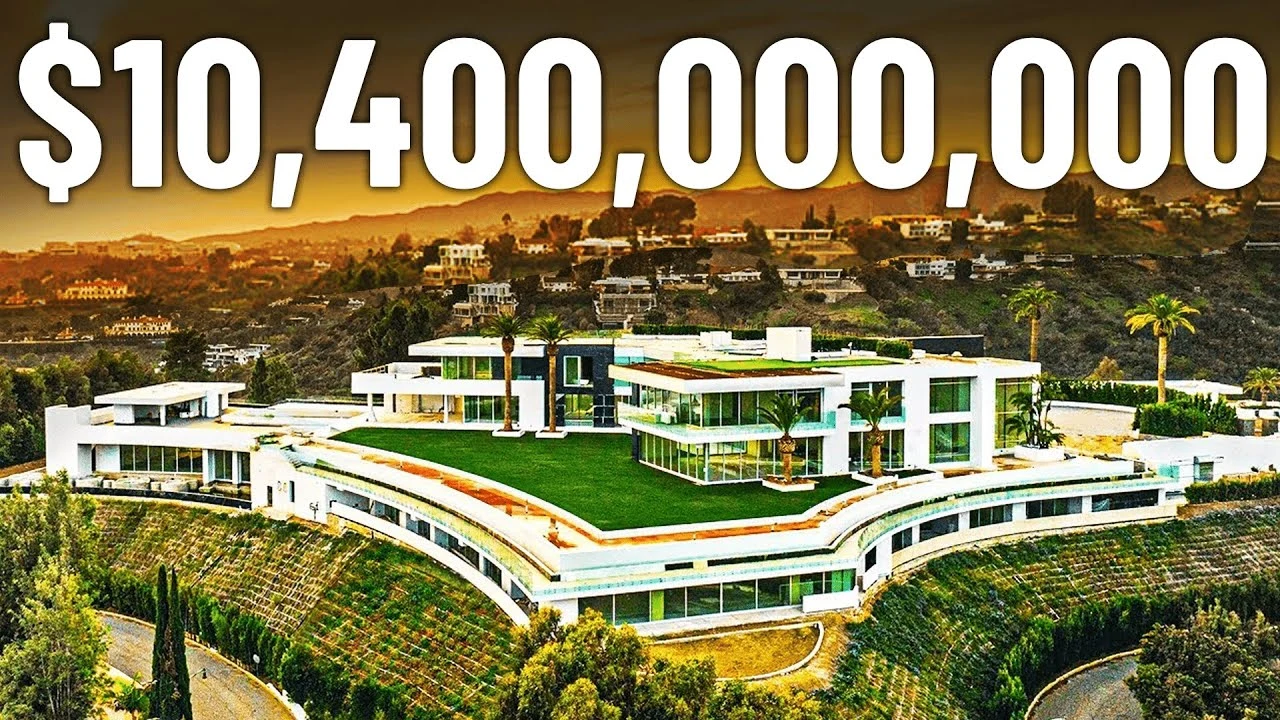
- Million dollar things reach seven figures through rarity, provenance, craftsmanship, and collector competition.
- Million dollar ideas behind each asset: scarcity plus documented history drives value more than materials alone.
- Record examples: a €135M Mercedes coupe, a $450M da Vinci painting, a $31M Patek Philippe watch.
- Valuation basics: distinguish estimates, list prices, and auction realized prices before comparing values.
- Ownership matters: insurance, storage, and maintenance often exceed acquisition strategy in long-term cost.
What Makes Million Dollar Things Worth a Million
Million dollar things are rarely expensive because of raw materials. A million-dollar valuation emerges when several forces converge: extreme scarcity, documented provenance, historical or cultural significance, exceptional craftsmanship, and intense competition among a small pool of collectors. Understanding these forces is the core million dollar idea behind every entry in our rankings.
Video Highlights:
- Record-setting luxury objects span cars, watches, homes, yachts, and jets
- Provenance and scarcity explain most price gaps between similar items
- Auction competition can push values far beyond pre-sale estimates
The table below summarizes the valuation drivers that matter most across categories:
| Valuation Driver | Why It Matters | Strongest Example Category |
|---|---|---|
| Rarity | Limited or unique production restricts supply | Historic cars, unique watches |
| Provenance | Documented ownership and celebrity history add premiums | Jewelry, watches, art |
| Condition | Originality and preservation directly affect price | Classic cars, vintage watches |
| Craftsmanship | Hand-finishing and complexity justify premiums | Complication watches, bespoke yachts |
| Market demand | Collector competition sets final auction prices | Blue diamonds, trophy real estate |
Always separate an asking price from a realized auction price. Many widely circulated figures for private assets are reported estimates, not verified sales.
Record-Setting Million Dollar Things Across Categories
The most expensive things ever sold demonstrate how different asset classes scale beyond the million-dollar threshold. The following entries represent verified or widely reported records as of 2026.
| Rank | Item | Category | Price | Transaction |
|---|---|---|---|---|
| 1 | Salvator Mundi (Leonardo da Vinci) | Artwork | $450.3M | Christie's, 2017 |
| 2 | Mercedes-Benz 300 SLR Uhlenhaut Coupé | Automobile | €135M | Private auction, 2022 |
| 3 | Château Louis XIV | Estate | ~$300M | Private sale |
| 4 | CTF Pink Star (59.60 ct) | Jewelry | $71.2M | Sotheby's, 2017 |
| 5 | Patek Philippe Grandmaster Chime 6300A | Watch | CHF 31M | Only Watch, 2019 |
| 6 | Eclipse (Blohm+Voss) | Superyacht | ~$1.5B reported build cost | Private construction |
Yacht and estate values are frequently "reported" rather than confirmed. The Eclipse figure is a construction estimate, not a resale record, and trophy properties often trade privately without disclosed terms.
Million Dollar Ideas: How Each Category Builds Value
Each luxury category applies a distinct million dollar idea—a repeatable logic that turns objects into appreciating assets.
Classic Cars
- Racing history and factory documentation
- Original chassis and bodywork
- Production counts under 100 examples
- Range: $1M to $135M+
Complication Watches
- Movement complexity and maker prestige
- Unique or one-off auction pieces
- Original box, papers, service records
- Range: $1M to $30M+
Colored Diamonds
- Vivid color grades with flawless clarity
- GIA-level certification
- Named provenance (Oppenheimer, CTF)
- Range: $1M to $70M+
| Category | Price Band | Key Valuation Factor | Liquidity |
|---|---|---|---|
| Fine art | $1M–$450M+ | Attribution, exhibition history | Low, deal-driven |
| Trophy real estate | $1M–$300M+ | Location, privacy, amenities | Very low |
| Private jets | $10M–$300M+ | Customization, operating cost | Low, depreciating |
| Superyachts | $10M–$1B+ | Builder reputation, bespoke work | Very low |
Exceptional colored diamonds and historic watches often behave as a separate market from ordinary luxury jewelry, with sharper price appreciation during demand peaks.
Step-by-Step: Buying a Million-Dollar Asset
High-value purchases require a disciplined process. Follow this seven-step path from budget to resale planning.
Define the Total Ownership Budget
Set a purchase ceiling plus reserves for taxes, buyer premiums, transport, storage, crew, insurance, and maintenance. Acquisition cost and annual operating cost are separate budgets.
Choose Category and Market Position
Decide whether the goal is enjoyment, collecting, prestige, or resale. Compare historical demand, liquidity, and brands with established collector markets.
Verify Authenticity and Provenance
Use specialists, manufacturer records, gemological reports, and ownership history. Confirm serial numbers, restoration records, and that documents match the physical asset.
Obtain an Independent Valuation
Request professional estimates covering condition, comparable sales, and replacement cost before bidding or signing.
Select the Purchase Channel
Choose among auction houses, specialist dealers, private sales, or manufacturers. Review buyer premiums, taxes, and deadlines carefully.
Arrange Insurance and Secure Storage
Protect the asset immediately with agreed-value specialist coverage and appropriate climate, security, and access controls.
A complete service trail, original certificates, and condition photographs materially increase buyer confidence and resale value years later.
Collector Readiness Checklist
Before Any Million-Dollar Purchase:
- Separate acquisition budget from annual operating budget
- Confirm authenticity with category specialists
- Obtain an independent professional valuation
- Review auction terms, premiums, and taxes in writing
- Arrange specialist insurance and secure storage before delivery
FAQ
Q: What are million dollar things and million dollar ideas?
Million dollar things are assets—cars, watches, art, jewelry, estates, yachts, and jets—that reach seven-figure values. The million dollar ideas behind them are the repeatable value drivers: rarity, provenance, craftsmanship, and collector competition rather than material cost alone.
Q: What is the most expensive car ever sold?
The 1955 Mercedes-Benz 300 SLR Uhlenhaut Coupé sold for €135 million in a 2022 private auction, one of only two examples ever built.
Q: Which watch holds the auction record?
The Patek Philippe Grandmaster Chime Ref. 6300A, a unique stainless-steel piece with twenty complications, sold for CHF 31 million at the 2019 Only Watch auction.
Q: Are reported yacht and mansion values reliable?
Often not. Figures like the Eclipse's $1.5 billion construction cost are widely reported estimates rather than verified sales. Trophy properties frequently trade privately without disclosed terms, so treat such numbers as reported, not confirmed.