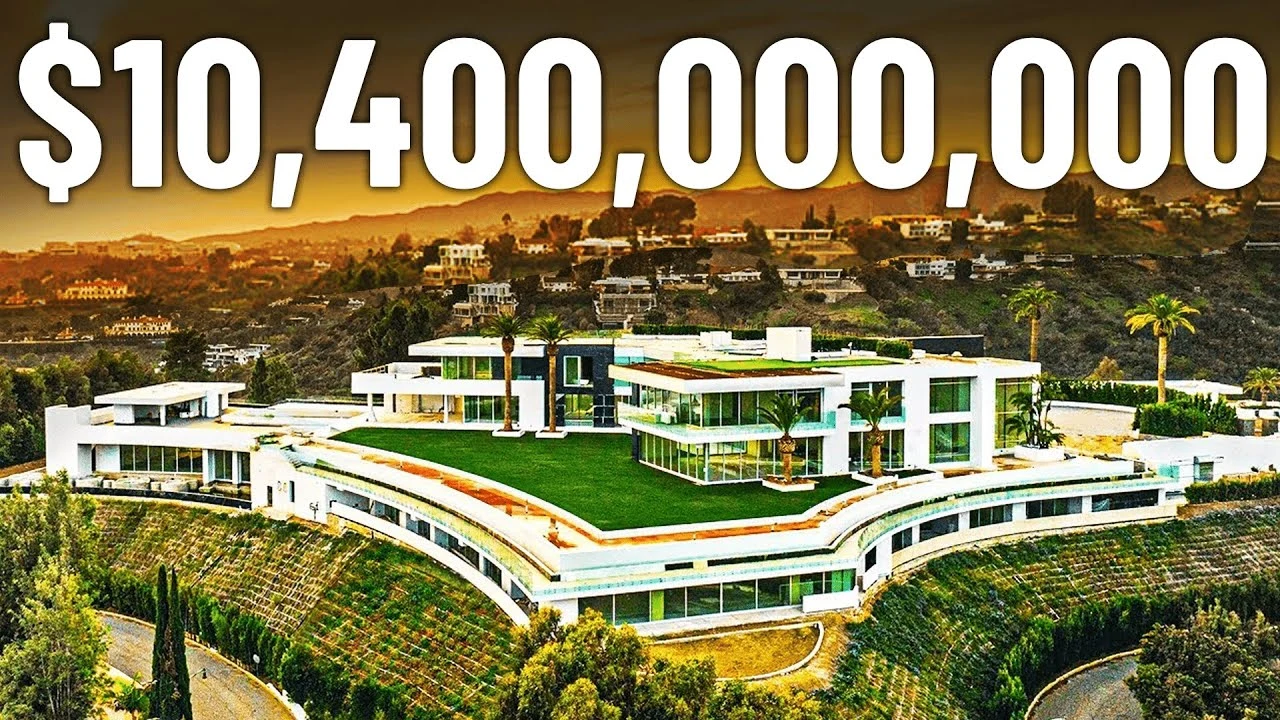
- Million Dollar Things ways to make one million dollars center on rare, documented luxury assets.
- Best categories: classic cars, complication watches, colored diamonds, fine art, and trophy real estate.
- Key principle: value comes from rarity, provenance, condition, and demand — not the price tag alone.
- Beginner path: master valuation first, then buy through auction houses with full documentation.
- Risk control: always separate acquisition cost from long-term ownership and maintenance costs.
What Million Dollar Things Teach Us About Making a Million
Million Dollar Things is a content brand built around the world's most extraordinary cars, watches, bags, jets, yachts, jewelry, estates, and rare collectibles — "Where Luxury Meets Legacy." Studying how these objects reach and hold seven-figure valuations reveals practical ways to make one million dollars: acquire scarce, well-documented assets whose value compounds through history, craftsmanship, and collector competition.
The official site covers six core categories, from Prestige Cars to Jewelry & Ornaments, and every record price tells the same story — a million-dollar result almost never depends on one feature alone.
| Asset Category | Typical Price Range | Record Example | Why It Reaches Seven Figures |
|---|---|---|---|
| Classic Cars | $1M – $135M+ | 1955 Mercedes-Benz 300 SLR Uhlenhaut Coupé | Racing history, extreme rarity (2 built) |
| Watches | $1M – $31M+ | Patek Philippe Grandmaster Chime Ref. 6300A | 20 complications, unique piece |
| Fine Art | $1M – $450M+ | Leonardo da Vinci's Salvator Mundi | Attribution, cultural importance |
| Jewelry | $1M – $71M+ | CTF Pink Star (59.60 ct) | Vivid pink, internally flawless |
| Real Estate | $1M – $300M+ | Château Louis XIV | Land, architecture, exclusivity |
| Yachts & Jets | $10M – $1B+ | Eclipse (~$1.5B reported) | Bespoke engineering at scale |
Every record-setting item combines at least three of these drivers: rarity, provenance, condition, brand prestige, and buyer competition. Remove any one and the seven-figure price usually disappears.
Five Asset Paths That Consistently Create Million-Dollar Value
Not every luxury category behaves the same. Based on auction records tracked across Sotheby's, Christie's, Phillips, and RM Sotheby's, these five paths have the most reliable history of turning acquisitions into seven-figure assets.
Historic Automobiles
- Benchmark: 1962 Ferrari 250 GTO — $48.4M at RM Sotheby's, 2018
- 36 examples built
- Racing provenance drives value
- Original chassis and documentation essential
High-Complication Watches
- Benchmark: Henry Graves Supercomplication — $23.2M, 2014
- Rarity of reference matters most
- Stainless steel can beat gold (Ref. 1518)
- Box, papers, and service history add value
Colored Diamonds
- Benchmark: CTF Pink Star — $71.2M, 2017
- Vivid color grade is decisive
- GIA certification required
- Behaves as a separate market
Fine Art
- Benchmark: Salvator Mundi — $450.3M, 2017
- Attribution research moves prices
- Exhibition history strengthens provenance
- Museum demand limits supply
Trophy Real Estate
- Benchmark: 220 Central Park South penthouse — $238M, 2019
- Location and privacy dominate
- Carrying costs are very high
- Value tied to global wealth flows
Celebrity Collectibles
- Benchmark: Paul Newman's Rolex Daytona — $17.8M, 2017
- Documented ownership is everything
- Cultural provenance amplifies value
- Authentication is critical
| Path | Liquidity | Entry Cost | Rarity Sensitivity | Best For |
|---|---|---|---|---|
| Historic Cars | Medium | High | ★★★★★ | Passion + capital |
| Watches | High | Moderate | ★★★★☆ | First serious collectors |
| Colored Diamonds | High | High | ★★★★★ | Portable wealth |
| Fine Art | Medium | High | ★★★★☆ | Long-term holders |
| Real Estate | Low | Very High | ★★☆☆☆ | Lifestyle buyers |
| Memorabilia | Medium | Moderate | ★★★★★ | Story-driven buyers |
Superyachts, private jets, and large estates carry extreme maintenance costs — crew, fuel, insurance, refits, and staffing can consume a large share of the asset's value every year. The purchase price is only the beginning.
Step-by-Step: Building a Million-Dollar Asset Position
Follow this disciplined process, adapted from the buying frameworks used by major auction houses, to build a portfolio capable of reaching a million dollars in value.
Define the Total Ownership Budget
Set a purchase ceiling plus reserves for taxes, buyer premiums, insurance, storage, maintenance, and authentication. Separate acquisition cost from annual operating cost from day one.
Choose Your Category and Market Position
Decide whether the goal is enjoyment, long-term collecting, or resale. Compare historical liquidity and demand — rare watches offer higher liquidity than trophy real estate.
Verify Authenticity and Provenance
Confirm serial numbers, gemological reports, catalogues raisonnés, service documents, and ownership history. Provenance documents must match the physical asset exactly.
Obtain an Independent Valuation
Request professional estimates before bidding. Compare auction estimates with recent realized prices, and ask for separate market and insurance valuations where appropriate.
Buy Through a Verified Channel
Use major auction houses, specialist dealers, or manufacturers. Read conditions of sale carefully and confirm buyer premiums, taxes, and deadlines before committing.
Insure, Store, and Document Everything
Arrange specialist agreed-value coverage immediately. Photograph the condition, control climate and security, and maintain a complete service trail — this materially affects resale confidence.
A complete paper trail — invoices, certificates, title documents, and service records — can materially lift an asset's resale price. Serious buyers discount heavily for gaps in provenance.
Why Million-Dollar Items Cost So Much: Valuation Factors
Understanding valuation is the difference between buying an expensive object and buying an asset that appreciates. Auction results from Sotheby's, Christie's, and Phillips show consistent patterns.
| Valuation Factor | Cars | Watches | Art | Jewelry |
|---|---|---|---|---|
| Rarity | Critical | Critical | Critical | Critical |
| Provenance | Racing history | Ownership trail | Attribution | Named stones |
| Condition | Originality | Dial/papers | Restoration | Certification |
| Brand prestige | Ferrari premium | Patek premium | Artist premium | Origin premium |
| Market demand | Auction competition | Collector shifts | Museum interest | Colored-stone market |
Key rules that apply across every category:
- Always distinguish estimates, asking prices, and realized auction prices — they are not the same number.
- Mark rumored figures as Reported or Estimated; for example, the Eclipse yacht's ~$1.5 billion figure is a widely reported construction estimate, not a sale price.
- Note the year of every price — a 2016 record may not reflect today's market.
- Celebrity assets require documented source information before their value can be trusted.
Before Any Million-Dollar-Level Purchase:
- Confirm rarity with production records or certificates
- Trace provenance back through documented ownership
- Obtain independent valuation from a category specialist
- Compare at least three recent comparable sales
- Calculate annual ownership and maintenance costs
The Graff Diamonds Hallucination watch, featured on Million Dollar Things with a $55M valuation, shows how exceptional gemstones mounted on a timepiece can push value far beyond watchmaking alone.
Common Mistakes and How to Avoid Them
- Treating a marketing price as a realized sale price
- Ignoring annual carrying costs on yachts, jets, and estates
- Buying altered or restored items presented as original
- Skipping independent valuation to "win" an auction
- Assuming brand name alone guarantees appreciation
The tier logic is clear: unique historic masterpieces (S-tier) such as the Uhlenhaut Coupé or Salvator Mundi sit at the top because they combine every valuation driver. Below them, iconic limited editions — rare Patek Philippe references, limited Ferraris — offer strong collector value with more manageable logistics. Custom superyachts and wide-body jets may cost more to acquire but carry extreme maintenance demands and variable resale strength.
FAQ
Q: What are the most realistic Million Dollar Things ways to make one million dollars?
The most documented paths are acquiring rare watches, historic automobiles, colored diamonds, fine art, or celebrity memorabilia at lower price points and holding them as their rarity, provenance, and collector demand push value upward. Records like the Paul Newman Rolex Daytona ($17.75M in 2017) show how documented provenance multiplies value.
Q: Which luxury category is best for first-time collectors?
Rare wristwatches are generally the most accessible entry. The category offers high liquidity, established auction infrastructure at Phillips, Christie's, and Sotheby's, clear reference-based rarity, and a wide price range from entry-level limited editions to unique pieces.
Q: How much should I budget beyond the purchase price?
Reserve additional funds for buyer premiums (often significant at auction), taxes, insurance, authentication, storage or climate control, and maintenance. For yachts, jets, and estates, annual operating costs can consume a large percentage of the asset's value each year.
Q: Why do some watches sell for more than houses?
Complication count, production rarity, and provenance dominate. The Patek Philippe Grandmaster Chime Ref. 6300A reached $31 million because it is a unique stainless-steel piece with 20 complications created for the Only Watch charity auction — scarcity and story, not material cost.